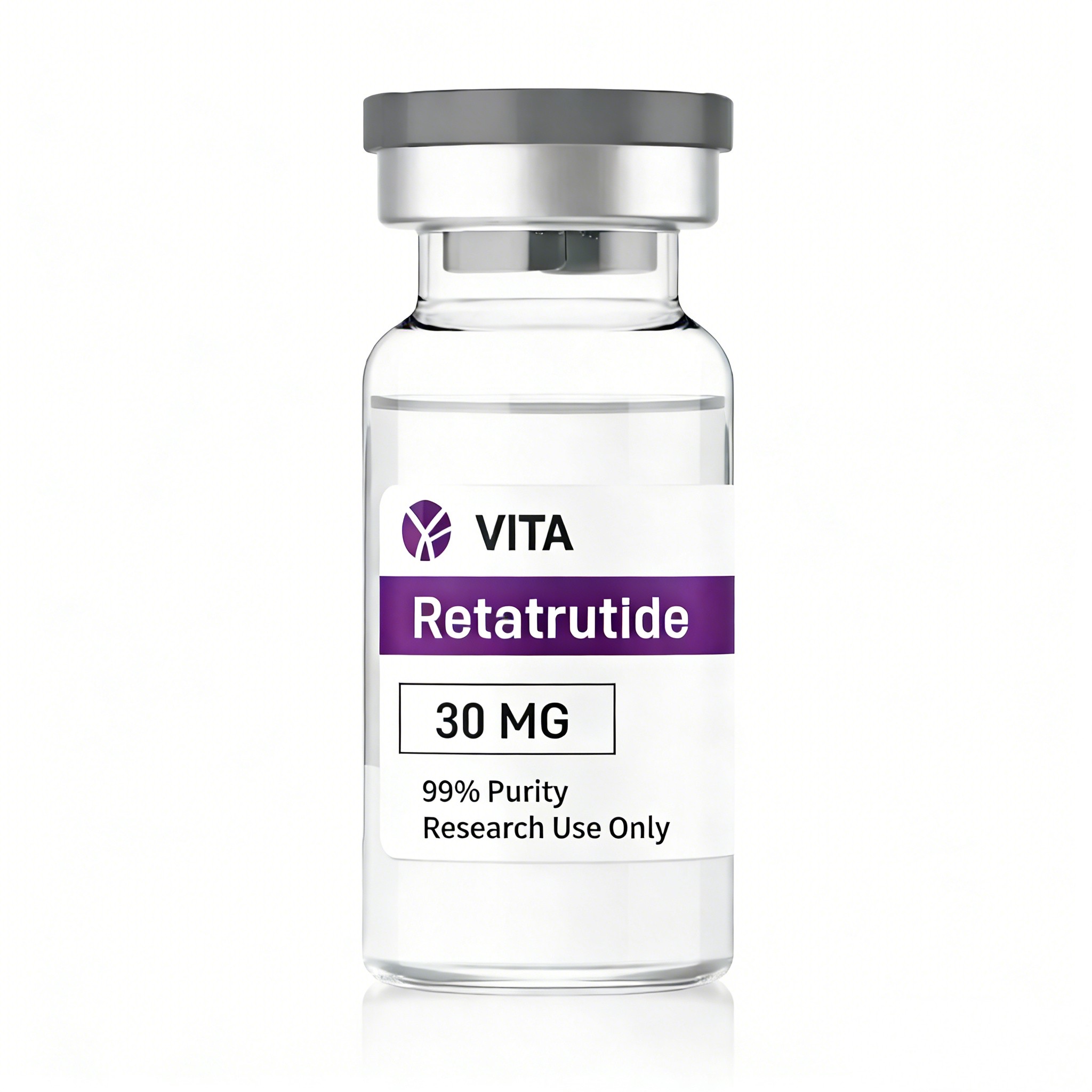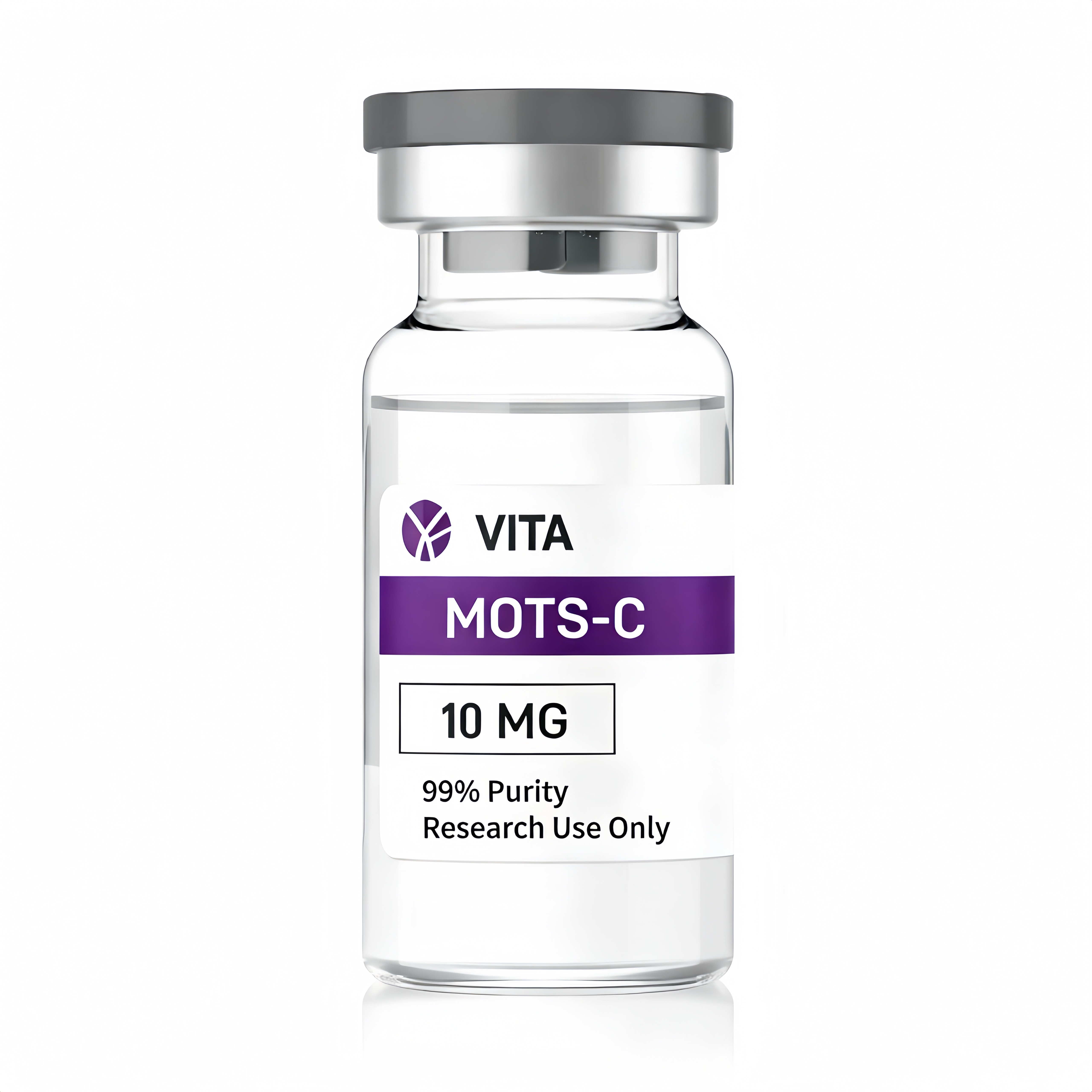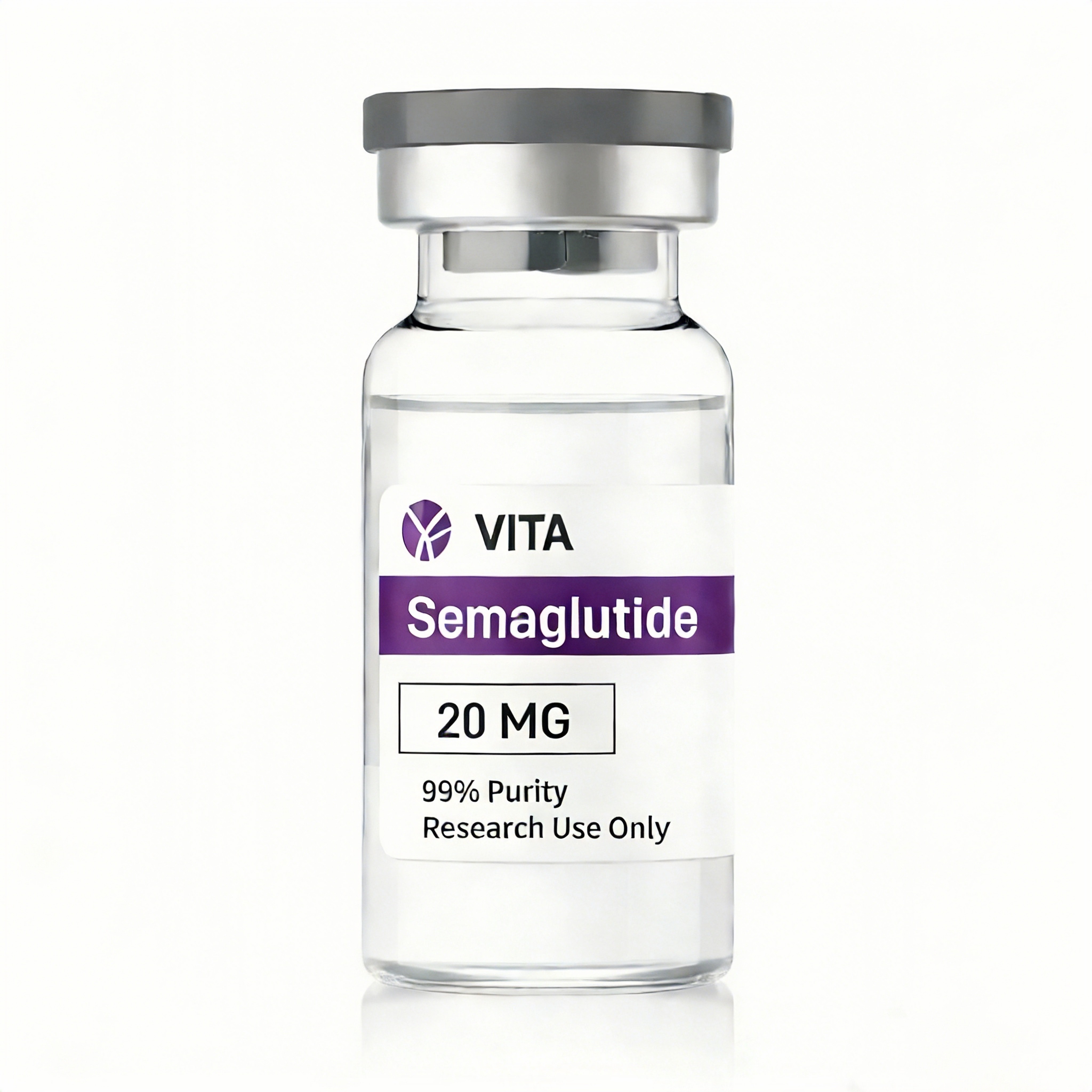
How to Choose a Peptide Factory That Drives Your Project to Success?
As the global peptide CDMO market surges toward $450 billion by 2025 with a 12.5% annual growth rate selecting a manufacturing partner isn’t just a purchase decision—it’s a strategic investment in your project’s future. Whether you’re advancing GLP-1 agonists for metabolic diseases or developing tumor-targeted peptides, the right factory turns scientific potential into tangible progress.
Quality starts with compliance and precision. Top factories hold cGMP certifications and meet FDA DMF standards , delivering peptides with ≥98% purity verified by HPLC and mass spectrometry . They provide detailed impurity profiles aligned with ICH guidelines, critical for avoiding clinical trial setbacks. Leading facilities also adopt green synthesis processes, with 60% of leading enterprises now using eco-friendly workflows.
Technical innovation is non-negotiable. Look for partners leveraging micro flow control continuous synthesis equipment - now used by 60% of industry leaders—which cuts production time while boosting consistency . Flexible SPPS capacity, from gram-scale research batches to 100+ kg commercial runs , ensures seamless scaling. The best factories also offer advanced modifications, from cyclization to isotope labeling, supporting complex projects like peptide conjugates.
Collaborative support makes the difference. Trusted partners assign dedicated project managers and maintain transparent supply chains, ensuring on-time delivery to global markets . They provide on-demand expertise for challenging sequences and assist with regulatory submissions, drawing on experience with 300+ CDMO projects . For fast-growing regions like Southeast Asia, they offer localized logistics to capitalize on 35% market growth .
In an industry driven by innovation, your peptide factory should be more than a supplier—it’s a co-innovator. Prioritize quality, technology, and collaboration, and turn your peptide goals into market impact.